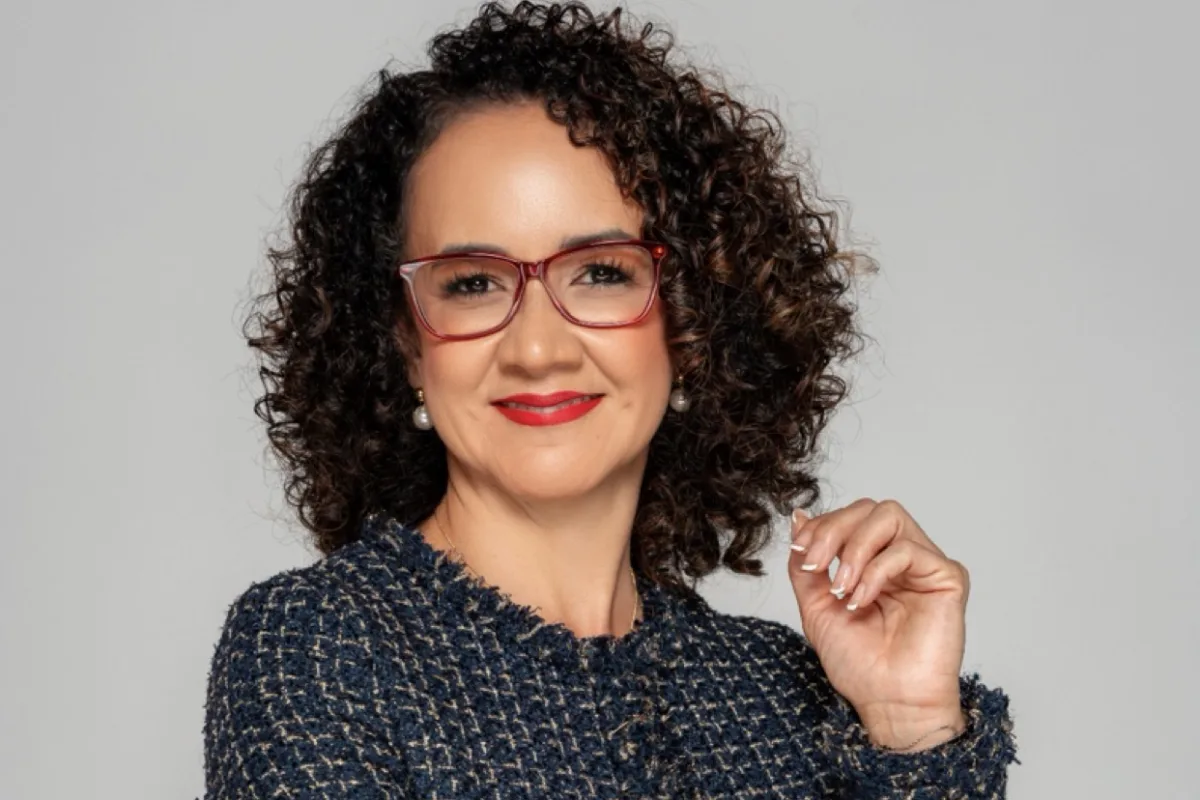
In this exclusive FIRS interview, Dr Lorena Noriega Aguirre, the new President of of the Latin American Thoracic Association (ALAT), shares her vision for the future of respiratory medicine in Latin America, discussing the challenges of ILD care, the importance of international collaboration, and her priorities for advancing research, education and opportunities for the next generation of respiratory professionals.
- Could you tell us about your journey into respiratory medicine and what first sparked your interest in interstitial lung diseases (ILDs)?
During medical school, I was particularly drawn to respiratory physiology, so I believe that was where my journey into respiratory medicine began. My interest in interstitial lung diseases then developed from a need to learn more about this very complex group of conditions, which affect a substantial number of people and have a profound impact on their lives.
- ILDs can be complex and challenging to diagnose. What are some of the biggest barriers to timely diagnosis and appropriate care, particularly in Latin America?
The barriers to timely diagnosis in Latin America are numerous and vary considerably across the region. However, several factors are common to all countries, such as: a low level of clinical suspicion in primary care, a shortage of respiratory physicians dedicated exclusively to interstitial lung diseases, and specialists and diagnostic resources mostly being available in major cities and referral hospitals, such as CT scans and pulmonary functinon testing. Another important issue is the variability in waiting times and the delays in accessing diagnostic tests and appropriate medicines within public health systems, as well as the cost of these tests and treatments in the private sector.
- Your work spans clinical practice, pulmonary rehabilitation and research. How do these different areas inform one another, and where do you see the greatest opportunities to improve the lives of people living with ILDs?
Clinical practice gives me direct insight into patients’ health, encompassing not only their physical condition but also their social and emotional circumstances. It helps me recognise situations or problems that can be turned into research questions. The answers sometimes help us better understand patients’ conditions, and also can reveal opportunities to improve the health system or the way care is delivered.
- What advances in ILD research or clinical practice are you most excited about, and what needs to happen to ensure patients across Latin America can benefit from them?
I believe one of the greatest advances has been in the continuous medical education, and in the growing interaction over recent years among physicians across Latin America who are interested in interstitial lung diseases. ALAT’s Interstitial Lung Diseases Department has grown considerably. It offers online discussions of complex clinical cases and academic events, such as seminars, scientific meetings and structured online courses. These aim to strengthen the knowledge of professionals across the region, and in turn, improve care for patients with complex conditions. What we need most, I believe, is to provide greater awareness to the health systems and government programs meant to provide greater priority to this patient population. We also need more interaction among patients and patient organizations across Latin America. Only a few countries have patient organizations specifically dedicated to interstitial lung diseases.
- As President of ALAT, encouraging young respiratory professionals to become more involved in scientific and academic activities is one of your priorities. Why is this important to you?
I believe that having young professionals, who are committed to continuing medical education in the region, and generating local knowledge through research, is essential to the growth of respiratory medicine in Latin America, and to provide care that is more equal and fair for our population. There is often a lot of young talent that cannot find the space to grow and contribute. I would like ALAT to provide those opportunities for our next generation of respiratory professionals.
- How can organisations such as ALAT create more opportunities for early-career professionals to develop their research skills, build international collaborations and contribute to respiratory medicine?
One way is to provide research training that is accessible to everyone. In this digital era, I believe we can bring that knowledge to every corner of our continent, and we are developing activities at ALAT during our term of office to help achieve this. Agreements among regional societies through the Latin American Forum of Respiratory Societies (FOLASOR), as well as with other societies such as CHEST, ATS and ERS, also create opportunities for international collaboration. We are also introducing activities at our congresses that encourage interaction between young professionals and experienced colleagues from Latin America and beyond, enabling them to become involved in collaborative projects. Our congresses are an excellent meeting place for building these connections.
- What are your key priorities, and what would you most like to achieve during your presidency?
I would like to establish a framework for online continuous medical education in Spanish that is accessible to all professionals across the continent. I would also like us to build a community of young professionals who are actively involved in education and research activities in our region, which can be sustainable over time. This community should also be appealing to the ways in which young professionals think and work.
- How can organisations such as ALAT and FIRS work more closely together to strengthen collaboration, share knowledge and improve lung health across Latin America and around the world?
I believe ALAT, FIRS and FOLASOR could work together on strategies to raise awareness among governments and health systems about the importance of access to diagnostic tests and, above all, to appropriate treatments for the respiratory conditions affecting our population. They could also collaborate on strategies of environmental care, to protect air quality.
- Looking ahead, what gives you the greatest optimism about the future of respiratory medicine in Latin America?
I have great faith in the talent of the younger generations and in their distinctive ways of seeing life and working. I teach both medical students and respiratory medicine residents, and I see great amounts of potential in them. We need to give them space and create opportunities for them to contribute.