
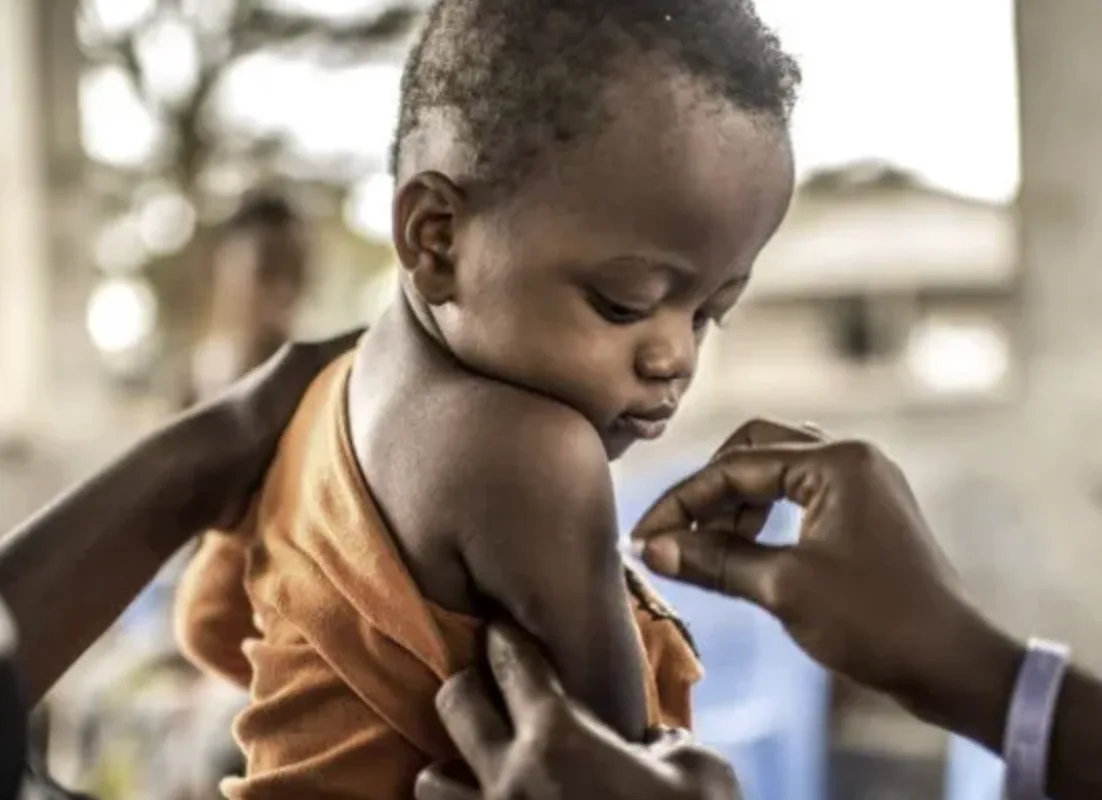
World Immunisation Week and African Vaccination Week come at a pivotal moment in global child health, as new vaccines bring the possibility of ending pneumonia as a leading killer for the first time.
In a guest piece for the FIRS, Leith Greenslade from Stop Pneumonia argues that breakthrough vaccines against pneumococcal disease and RSV could transform child survival worldwide.
For the first time, the world has vaccines that target the leading causes of both bacterial and viral pneumonia – the pneumococcal conjugate vaccine (PCV) and the respiratory syncytial virus (RSV) vaccine. When all children are protected with these vaccines, pneumonia will no longer be a leading killer of children – a first for our species – causing 700,000 deaths every year. Further, by protecting children and reducing the transmission of both Streptococcus pneumoniae and RSV, the 1.8 million pneumonia deaths among adults will also fall. A new era of pneumonia control has dawned.
Whether countries with high child mortality take advantage of these new tools is the next big challenge for the child survival movement. With just five years left to achieve the child mortality target in the Sustainable Development Goals(SDGs), and with 60 countries off-track, new strategies are urgently needed. As access to PCV and RSV vaccines are low (or non-existent) in most of the off-track countries, increasing their coverage represents one of best strategies countries can adopt to make rapid gains.
The urgency of pneumonia prevention
New evidence suggests that scaling up PCV and introducing RSV immunization could prevent as many as 3.4 million child deaths by 2045. This opportunity underpins the two new campaigns Every Breath Counters Coalition has launched for World Immunization Week and African Vaccination Week 2026, SECURE PCV and STOP RSV. Both seek to persuade governments to close critical gaps in pneumonia prevention and accelerate progress toward global child survival goals.
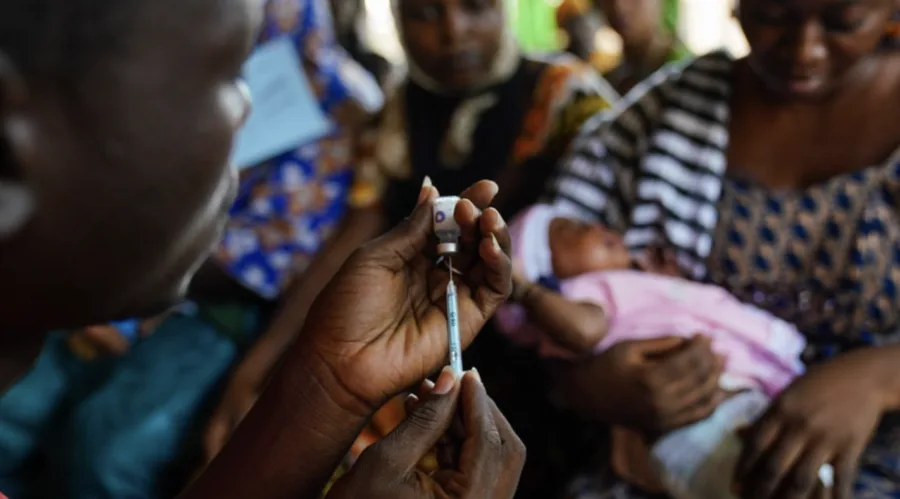
SECURE PCV: closing the coverage gap
The SECURE PCV campaign focuses on increasing coverage of the PCV, which at 67% globally is well short of the Immunization Agenda 2030 goal of 90%. Coverage is even lower in many of the countries losing large numbers of children to pneumonia, including Afghanistan, Angola, Benin, Central African Republic, Democratic Republic of Congo, Haiti, Iran, Iraq, Laos, Madagascar, Mozambique, Nigeria, Papua New Guinea, Philippines, Sudan, Venezuela, and Yemen. Further, there are high-burden pneumonia countries yet to offer the vaccine in routine vaccination, including China, Egypt, Guinea, Venezuela, and Viet Nam.
As a result of delayed introduction and insufficient coverage, PCVs have delivered only a small fraction of their lifesaving potential. Of the 14 vaccines that have saved at least 154 million lives over the past 50 years, PCV accounts for just 1%—1.6 million lives saved. SECURE PCV aims to change this by mobilizing the world’s leading scientists and scientific evidence to encourage vaccine decision-makers in the countries with no- and low-PCV coverage to introduce and sustain high coverage.
As PCV is one of the most expensive vaccines, a key element of the campaign is its emphasis on more cost-effective delivery strategies. This includes opting for the most affordable PCVs offered at $US2 per dose for many LMICs and/or reduced-dose schedules such as the “1+1” regimen recently recommended by WHO for countries that have already achieved high PCV coverage. This includes 25 countries (see report below) eligible for support from Gavi, the Vaccine Alliance. With the potential to reduce costs substantially, these options can free up resources for governments to introduce new vaccines, including RSV.
STOP RSV: advancing a new frontier in prevention
STOP RSV is focused on accelerating the introduction of maternal vaccines in the countries where RSV causes mass hospitalization and death among infants and young children. The power of the vaccine has been well documented in high-income settings, but to date, among LMICs, only Argentina and Brazil have introduced the vaccine, leaving many vulnerable children unprotected.
Countries targeted will include those with more than 400,000 child RSV episodes and high coverage of four antenatal visits (ANC) among pregnant women, including Egypt, Philippines, India, Mexico, and South Africa. An additional eight countries who are also members of the Maternal Immunisation Readiness Network in Africa & Asia (MIRNA) will also be targeted, including Kenya, Ghana, Ethiopia, Uganda, Pakistan, Bangladesh, Burkina Faso, and Nigeria.
Leading scientists will share their expertise with vaccine-decision makers, raising awareness of RSV’s burden and the vaccine’s fast and significant impact on child health and healthcare costs. The campaign will seek commitments from governments to introduce the RSV maternal vaccine before 2030.
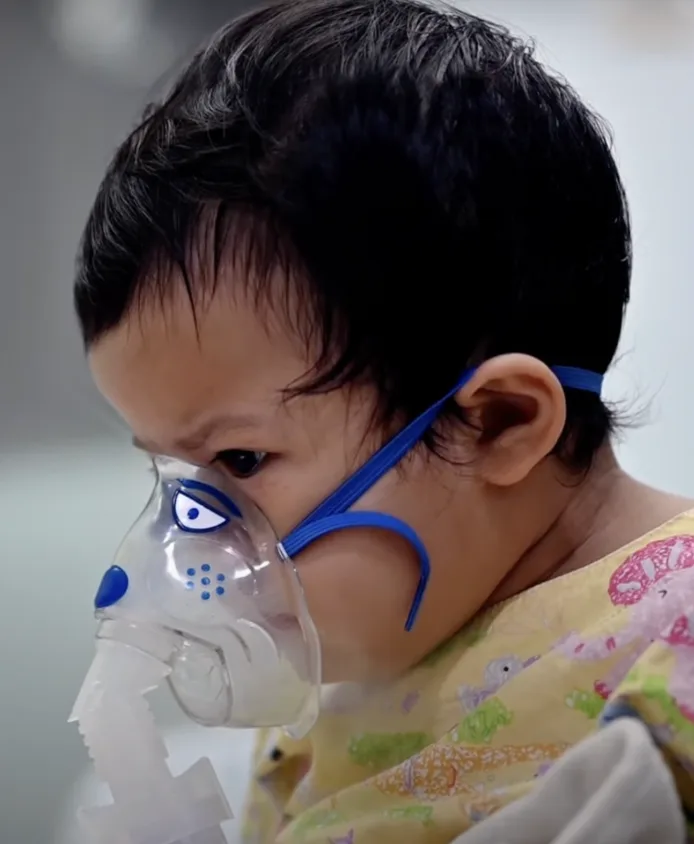
A combined strategy for impact
What makes the STOP RSV and SECURE PCV campaigns particularly powerful is their combined potential. Together, they address both established and emerging vaccine opportunities, offering a pathway to transform the fight against pneumonia. Smart countries will find ways to combine PCV and RSV, prevent more child deaths and protect older adults.
If successful, these two vaccines could mark a turning point for child survival—one in which pneumonia is no longer the leading infectious killer of children and the cause of so much sickness, hospitalization, and death – lifting a huge burden from families and governments.
Further, by positioning RSV alongside pneumococcal disease as a core pillar of pneumonia prevention, both campaigns represent a shift toward a more comprehensive approach to respiratory health. This is well aligned with the new Integrated Lung Health Resolution adopted by all governments at the World Health Assembly in 2025.
The campaigns come at a time of heightened urgency. Child deaths are projected to rise in the near term, and global health financing is under pressure. In this context, interventions that are lifesaving, synergistic, and cost-effective—like combined PCV and RSV immunization—offer one of the clearest opportunities for countries to reverse negative trends and get back on track toward the SDGs.
Meet the SECURE PCV and STOP RSV scientists!
Read the report: “What’s New in Pneumococcal Disease Control?”, SECURE PCV, 2026.