The latest World Health Organization (WHO) Global Tuberculosis Report highlights both the progress made in tackling tuberculosis (TB) and the significant challenges that remain in achieving global targets to end the disease.
In response to the report, Dr Cassandra Kelly-Cirino, Executive Director of the International Union Against Tuberculosis and Lung Disease (The Union), has welcomed reductions in TB incidence and deaths, while warning that these hard-won gains remain fragile amid declining international donor funding.
FIRS is sharing Dr Kelly-Cirino’s comments to draw attention to the urgent need for sustained investment in TB prevention, diagnosis and treatment, and to amplify the perspectives of global health leaders working to end the disease. With funding cuts threatening to undermine progress and leave vulnerable communities at greater risk, continued commitment from governments and international partners is essential. The global response must move beyond protecting existing gains and accelerate action to ensure that the ambition of ending TB becomes a reality.
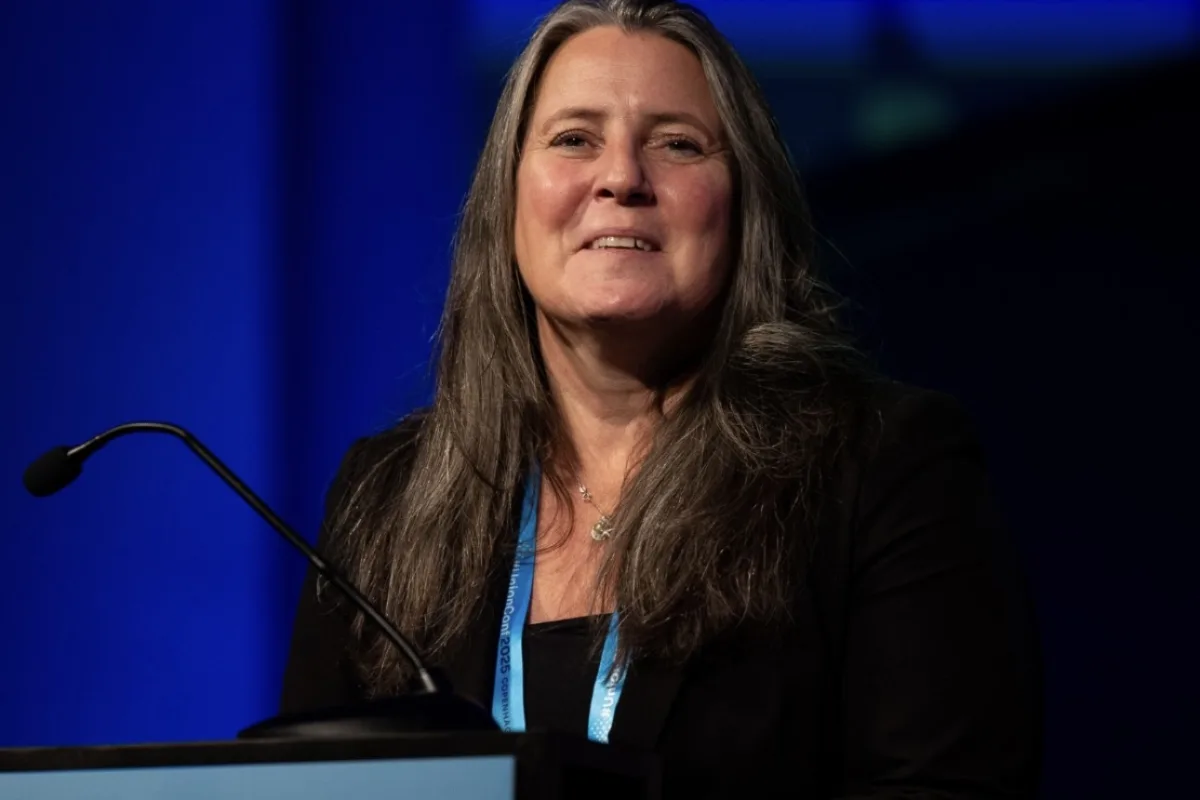
Dr Cassandra Kelly-Cirino, Executive Director, International Union Against Tuberculosis and Lung Disease (The Union)
“The reductions in tuberculosis incidence and deaths, and the expanded use of shorter treatment regimens highlighted in WHO’s latest report, reflect years of sustained investment and the commitment of countries, communities, and health workers. These gains deserve recognition, but they remain fragile.
“Increased domestic investment helped protect services in many countries from the 14% drop in international donor funding, but the capacity to absorb these losses varies considerably. Governments must strengthen domestic financing, while international partners must maintain predictable support for countries that cannot close the gap alone.
“It is important to note that the absence of a clear impact on diagnosis and treatment in many affected countries during 2025 should not be interpreted as evidence that funding cuts are harmless. The report itself recognises that some consequences may be delayed or not yet visible. Disruptions to community outreach, case finding and technical support risk undermining current and future progress.
“Countries and partners need to assess funding losses and service disruptions against a pre-2025 baseline, identify who is being missed, and protect the interventions that will have the greatest impact on preventing TB, reducing transmission and incidence, and saving lives. Prioritisation must be accompanied by renewed investment: it cannot close the funding gap on its own.
“Reaching the first global milestone for reducing TB deaths five years late is an achievement, but also a warning. The TB incidence rate has fallen by only 14% since 2015, far short of the 50% reduction due by 2025. The global response is not delivering progress at the pace required to meet the 2030 and 2035 targets. Continuing at this pace is unacceptable and unachievable with the reduction in international donor funding. A meaningful shift is needed in how countries and partners finance and deliver TB prevention and care and address the conditions that sustain the epidemic.”