For World Lung Day 2026, READIO Ethiopia is taking lung health education and basic respiratory screening into communities where access to healthcare can be difficult.
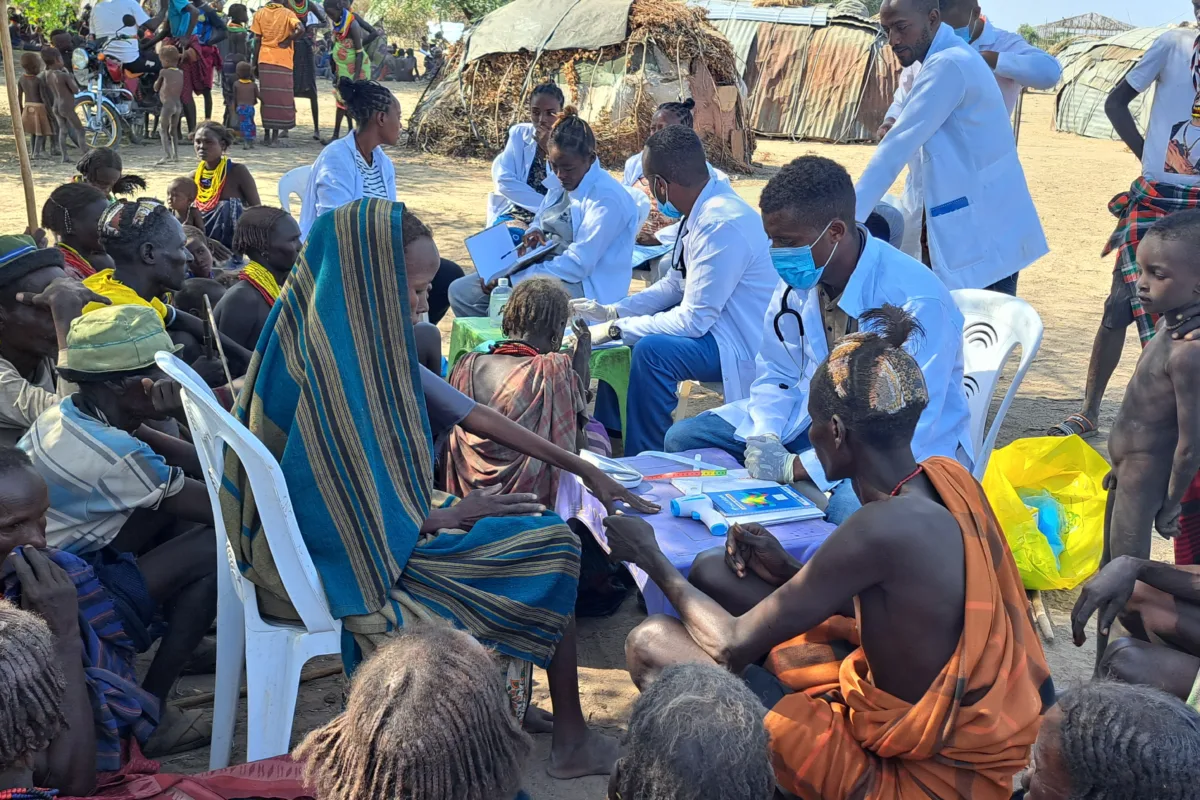
In Chukare Cluster, Abela Abaya District, South Ethiopia Regional State, multidisciplinary volunteer teams of doctors, nurses, community health workers and other health professionals are working with local communities and health structures to share information about lung health, help people recognise respiratory symptoms, encourage early care-seeking and refer people for further care where needed.
The team’s message is clear: breathing problems should not simply be accepted as part of life.
Through its Healthy Lungs for Life grant, READIO Ethiopia is strengthening this community-based work and reaching families with practical information about prevention, healthy living environments and the importance of seeking care when respiratory symptoms persist.
In this Q&A, the READIO Ethiopia team shares more about its World Lung Day activities, why lung health education matters throughout life and one encounter with a five-year-old child that highlights the importance of bringing lung health support closer to communities.
What are you doing for World Lung Day, and who will you be reaching?
For World Lung Day 2026, READIO Ethiopia will continue community-based lung health advocacy and education in hard-to-reach communities in Ethiopia. Our activities include community education on lung health and prevention, recognition of respiratory symptoms, early health-seeking, basic respiratory screening and referral for people who need further care.
Our multidisciplinary volunteer teams—including medical doctors, nurses, community health workers and other health professionals—work alongside communities and local health structures to bring health information and services closer to people who face barriers to accessing conventional healthcare.
For this activity, we are working with communities in Chukare Cluster, Abela Abaya District, South Ethiopia Regional State, while our broader community health work extends to other underserved and hard-to-reach areas.
Why is this activity important for lung health throughout life?
In underserved communities, overcrowded living conditions, environmental exposures, limited access to healthcare and delayed care can create significant respiratory health challenges.
We believe lung health education should begin early and continue throughout life. By bringing education, screening and basic care closer to communities, we hope to improve awareness, encourage early care-seeking and help families take practical steps to protect their lungs.
What is the one thing you want people to understand or do differently after taking part?
We want people to understand that breathing problems should not simply be accepted as part of life.
Persistent cough, difficulty breathing and other respiratory symptoms deserve attention and timely assessment. We also want communities to recognise that protecting lung health starts with prevention—including healthier living environments, reducing harmful exposures, maintaining clean air where possible and seeking care early when symptoms occur.
Can you share one person, moment or story that brings your project to life?
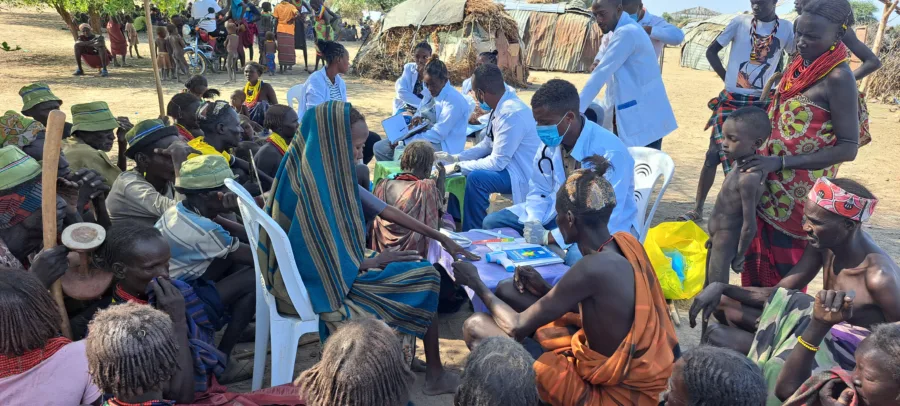
One moment that brings our work to life is our encounter with Yerkbur Gelgegna, a 5-year-old child who was experiencing a cough, during one of our community outreach activities in Chukare Cluster, Abela Abaya District.
The attached video captures the child being assessed by our medical team (Dr. Lisanwork Honsebo and His READIO team), followed by our health professionals counselling caregivers about respiratory health, prevention and ways to protect healthy lungs.
This moment stayed with our team because it reflects the realities faced by families in hard-to-reach communities, where overcrowded living conditions and barriers to healthcare can affect respiratory health. It reminded us that lung health advocacy is not only about sharing information—it is about reaching families directly, listening to their concerns, identifying problems early and giving caregivers practical knowledge they can use.
The videos illustrates this approach in action: clinical care, prevention education and partnership with families at community level.
What inspired you to apply for the Healthy Lungs for Life grant, and what difference will this funding make?
Our motivation came directly from what we see in the communities we serve. Through our volunteer-based health work, we have repeatedly encountered families living with respiratory symptoms while having limited access to lung health information, prevention and appropriate care.
The Healthy Lungs for Life grant provides an important opportunity to strengthen this community-based work and make lung health a more visible part of primary and community healthcare. It will help us expand structured lung health education and advocacy, strengthen community engagement and reach more people with practical messages about prevention and early action.
We are grateful to the European Lung Foundation, the European Respiratory Society and the Healthy Lungs for Life initiative for supporting locally led action and recognising the importance of reaching underserved communities.
What is your one hope for the future of world lung health?
Our hope is that where someone lives or how far they are from a health facility will never determine their opportunity to breathe healthy and live a healthy life.
Lung health should be part of universal health coverage and accessible to every community, including those hardest to reach. We believe this requires stronger partnerships between communities, health professionals, patient and advocacy organisations, researchers and global respiratory-health organisations.
READIO Ethiopia is committed to contributing to this effort in Ethiopia and, through collaboration and partnership, across East Africa.
Thank you again for giving us the opportunity to share our experience. We are grateful to be part of the Healthy Lungs for Life community and to contribute to the wider movement for better lung health.